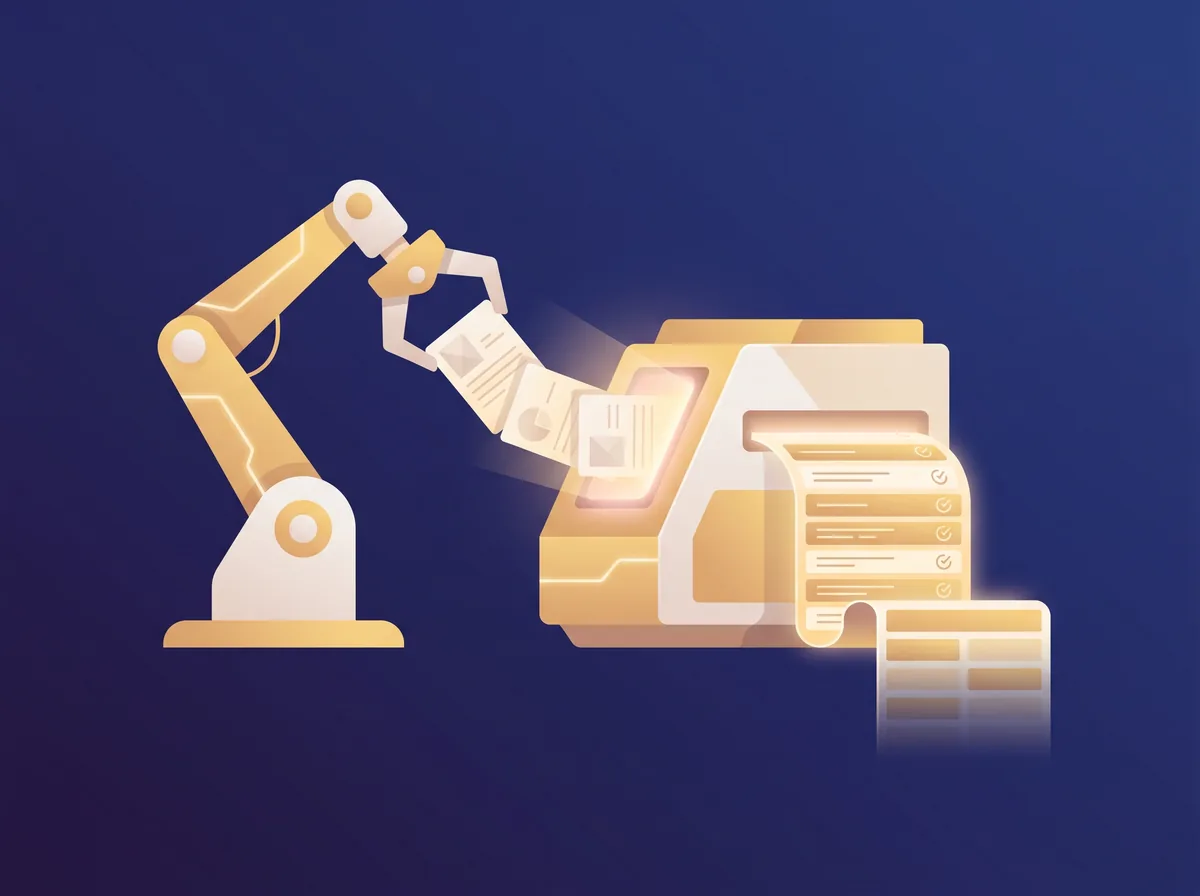
Automated accounting is a revolutionary concept that is transforming the way companies manage their finances. By using software and other advanced technologies, automated accounting simplifies and accelerates accounting processes, offering many advantages as a result.
What Is Automated Accounting?
Automated accounting, as its name suggests, refers to the use of software and technological tools to automate accounting tasks. It is an innovative approach that replaces traditional manual accounting methods, such as maintaining physical records and laborious manual calculations, with entirely automated processes. This enables companies to save time and optimize their financial operations significantly.
Definition of Automated Accounting
Automated accounting refers to the use of software and advanced technologies to perform accounting tasks quickly and accurately. This includes the automatic entry of data, automated processing of transactions, real-time report generation, and much more. The main objective of automated accounting is to simplify the accounting process and eliminate tedious manual tasks, thereby enabling accounting professionals to focus on higher value-added tasks.
The Advantages of Automated Accounting
Automated accounting offers many advantages to companies that decide to implement it. Among the main advantages are:
- Improved operational efficiency: By automating accounting processes, companies can perform tasks more quickly and accurately, leading to an overall improvement in operational efficiency.
- Reduction in accounting errors: Data entry errors and other accounting errors are common in traditional methods. Automated accounting considerably reduces the risk of errors by minimizing reliance on manual tasks that are prone to human error.
- Time and effort savings: By automating accounting tasks, companies save valuable time. Accounting professionals can devote more time to strategic activities, such as financial data analysis and the preparation of detailed reports.
In addition to these advantages, automated accounting also offers better traceability of financial operations. Thanks to the use of specialized software, companies can track each transaction and record all relevant information. This facilitates the verification and auditing of accounts, as well as the rapid detection of any irregularities or potential fraud.
Furthermore, automated accounting enables better collaboration between the different departments of a company. Financial data is accessible to all relevant stakeholders, which promotes transparency and informed decision-making. Financial managers can easily share reports and analyses with other team members, which facilitates communication and coordination.
Finally, automated accounting offers better cash flow management. Automated accounting software enables real-time tracking of money inflows and outflows, which enables companies to make more informed financial decisions. Cash flow forecasts are more accurate, which helps avoid liquidity problems and optimize the management of financial resources.
In conclusion, automated accounting is a modern and effective approach to managing a company's financial operations. It offers many advantages, such as improved operational efficiency, reduction in accounting errors, time and effort savings, better traceability of financial operations, better collaboration between departments, and better cash flow management. Companies that choose to adopt automated accounting can thus optimize their accounting processes and focus on higher value-added tasks.
The Objectives of Automated Accounting
Automated accounting has several essential objectives that distinguish it from traditional methods. These objectives include:
Improved Operational Efficiency
One of the main objectives of automated accounting is to improve companies' operational efficiency. By automating accounting tasks, companies can manage a larger volume of transactions in less time, which increases their overall productivity.
Reduction in Accounting Errors
Another essential objective of automated accounting is to reduce accounting errors. Automated accounting software is designed to perform accurate calculations and avoid common data entry errors. This improves the reliability of financial information and minimizes risks.
Time and Effort Savings
Automated accounting also aims to save time and effort for accounting professionals. By eliminating repetitive and tedious tasks, automated accounting software enables professionals to focus on higher value-added tasks, such as financial data analysis, budget planning, and strategic decision-making.
Optimization Strategies for Automated Accounting
To take full advantage of automated accounting, it is essential to implement effective optimization strategies. Here are some key strategies to consider:
Choosing the Right Accounting Software
Choosing the right accounting software is essential for optimizing automated accounting. It is important to select software that meets the specific needs of the company and that offers the functionalities needed to effectively automate accounting processes.
Training and Skills Development
Adequate training is necessary to maximize the effectiveness of automated accounting. Accounting professionals must acquire the skills needed to effectively use automated accounting software and to maximize its potential.
Integration with Other Information Systems
For optimal automated accounting, it is important to integrate the accounting system with other information systems within the company, such as inventory management systems and invoicing systems. This enables data flows to be automated and ensures the accuracy and consistency of financial information.
The Challenges of Automated Accounting
Although automated accounting offers many advantages, it also presents certain challenges that must be taken into account:
Data Security and Confidentiality
When financial data is stored in computer systems, it is essential to implement robust security measures to protect this information against cyber-attacks and unauthorized access. Data protection and confidentiality are therefore key elements to consider when implementing automated accounting.
Implementation and Maintenance Costs
Setting up an automated accounting system can require a considerable financial investment. The costs of purchasing software, training employees, and maintaining the system must be taken into account when deciding to automate accounting.
Resistance to Change Within the Company
Resistance to change is a major challenge when implementing automated accounting. Some employees may be reluctant to abandon traditional methods and to adopt new technologies. It is important to implement awareness and training programs to help employees understand the advantages of automated accounting and to overcome their resistance to change.
In summary, automated accounting offers many advantages to companies, including improved operational efficiency, reduced accounting errors, and time and effort savings. To maximize the benefits of automated accounting, it is essential to choose the right software, train employees, and integrate the system with other information systems. However, challenges such as data security, implementation costs, and resistance to change must also be taken into account. By overcoming these challenges, companies can optimize their accounting and position themselves for more effective financial management.