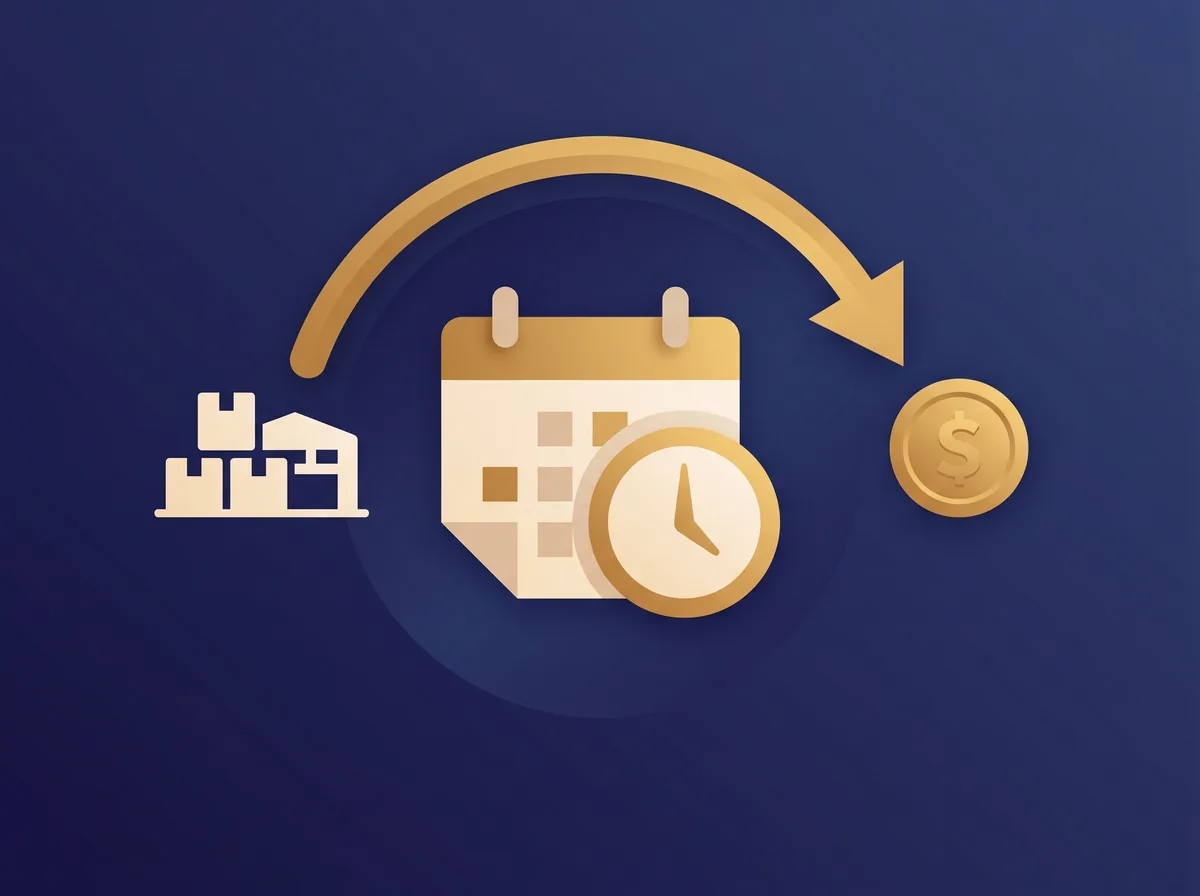
Supplier Payment Terms (DPF — Délai de Paiement Fournisseur) is an essential concept in the field of commercial transactions. It represents the period between the date on which the buyer receives goods or services and the date on which the invoice is actually settled with the supplier. Understanding and optimizing this timeframe can have a significant impact on the financial health of businesses and their relationships with suppliers.
Understanding Supplier Payment Terms (DPF)
Before diving into the details of calculating and optimizing DPF, it is essential to understand its definition. DPF is determined by the average payment period for supplier invoices within a company. This timeframe is often expressed in days, and it can vary considerably from one company to another.
Definition of DPF
Supplier Payment Terms is the period of time that elapses between the date on which the buyer receives the goods or services and the date on which the invoice is actually settled with the supplier. It therefore measures the length of time during which the buyer uses the goods or services without paying for them.
Importance of DPF in Commercial Transactions
DPF is critically important in commercial transactions, both for suppliers and buyers. For suppliers, an excessively long DPF can cause cash flow problems and lead to financial difficulties. On the other hand, buyers can benefit from a longer DPF by having the ability to use goods or services without having to pay for them immediately. However, this can also create tensions with suppliers and jeopardize business relationships.
In France, legislation regulates DPF in order to protect suppliers' interests. Under the law, the maximum payment period between businesses is 60 days from the invoice issue date, or 45 days end of month. However, it is important to note that these timeframes can be negotiated between the parties and that exceptions exist for certain sectors of activity.
It is also interesting to note that DPF can vary depending on company size. In general, large companies tend to have longer DPFs than small businesses. This is explained by the fact that large companies often have greater negotiating power with their suppliers and can impose longer payment terms.
Moreover, DPF can also be influenced by other factors such as the economic situation of the country, the company's internal policies, and the trust relationships between suppliers and buyers. For example, during periods of economic crisis, companies may tend to extend their payment terms to preserve cash flow.
In conclusion, DPF is a key element in commercial transactions and can have a significant impact on the financial health of suppliers and buyers. It is therefore essential to monitor and optimize it to ensure sustainable and balanced commercial relationships.
How to Calculate Supplier Payment Terms
Calculating DPF requires certain information and key steps to follow.
Supplier Payment Terms (DPF) is an essential indicator for evaluating the financial performance of a company. It measures the average time required to settle supplier invoices. A short DPF indicates good cash flow management and a healthy relationship with suppliers.
The Elements Required for Calculation
- The total amount of supplier invoices over a given period.
- The number of days between the date of receipt of goods or services and the actual date of invoice settlement.
To obtain this information, it is necessary to collect supplier invoices and record the receipt and settlement dates for each invoice.
It is also important to take into account any discounts or late payment penalties applied by suppliers in the event of late payment.
The Steps for Calculating DPF
To calculate DPF, divide the total amount of supplier invoices by the number of days between the receipt date and the settlement date. The result represents the average number of days taken to pay supplier invoices.
For example, if the total amount of supplier invoices over a given period is €10,000 and the number of days between the receipt date and the settlement date is 30 days, the DPF will be €333.33 per day.
It is important to note that DPF can vary depending on different factors such as the company's payment policy, supplier delivery times, and the terms negotiated with them.
A high DPF may indicate cash flow problems, management difficulties, or payment delays. It is therefore essential to monitor this indicator regularly and analyze any variations.
In conclusion, calculating Supplier Payment Terms is an important process for evaluating a company's financial performance. By following the key steps and collecting the necessary information, it is possible to obtain a precise indicator of the average time required to settle supplier invoices.
Optimizing Supplier Payment Terms
Optimizing DPF can bring numerous advantages for companies, both on the supplier and buyer sides.
Strategies to Optimize DPF
To optimize DPF, companies can adopt various strategies, such as:
- Negotiating longer payment terms with suppliers.
- Implementing a system for tracking and managing supplier invoices.
- Optimizing internal processes to accelerate invoice processing.
The Benefits of Optimizing DPF
Good management and optimization of DPF can lead to several advantages, including:
- Improved cash flow and profitability for suppliers.
- Strengthened relationships with suppliers.
- Reduced risk of disputes related to late payments.
Common Errors in DPF Management
Managing DPF can sometimes be complex and certain mistakes can have adverse consequences.
Errors to Avoid When Calculating DPF
When calculating DPF, it is important to avoid common errors such as:
- Not including all supplier invoices in the calculation.
- Using a non-representative reference period.
Consequences of Poor DPF Management
Poor DPF management can lead to various consequences, including:
- Financial difficulties for suppliers.
- Strained relationships with suppliers.
- Loss of trust from business partners.
Conclusion: The Importance of Effective DPF Management
In conclusion, Supplier Payment Terms (DPF) is a key element of commercial transactions. It is essential to understand, calculate, and optimize this timeframe in order to benefit from financial advantages and strengthen relationships with suppliers. Effective DPF management can contribute to the overall financial health of a company and its long-term success.