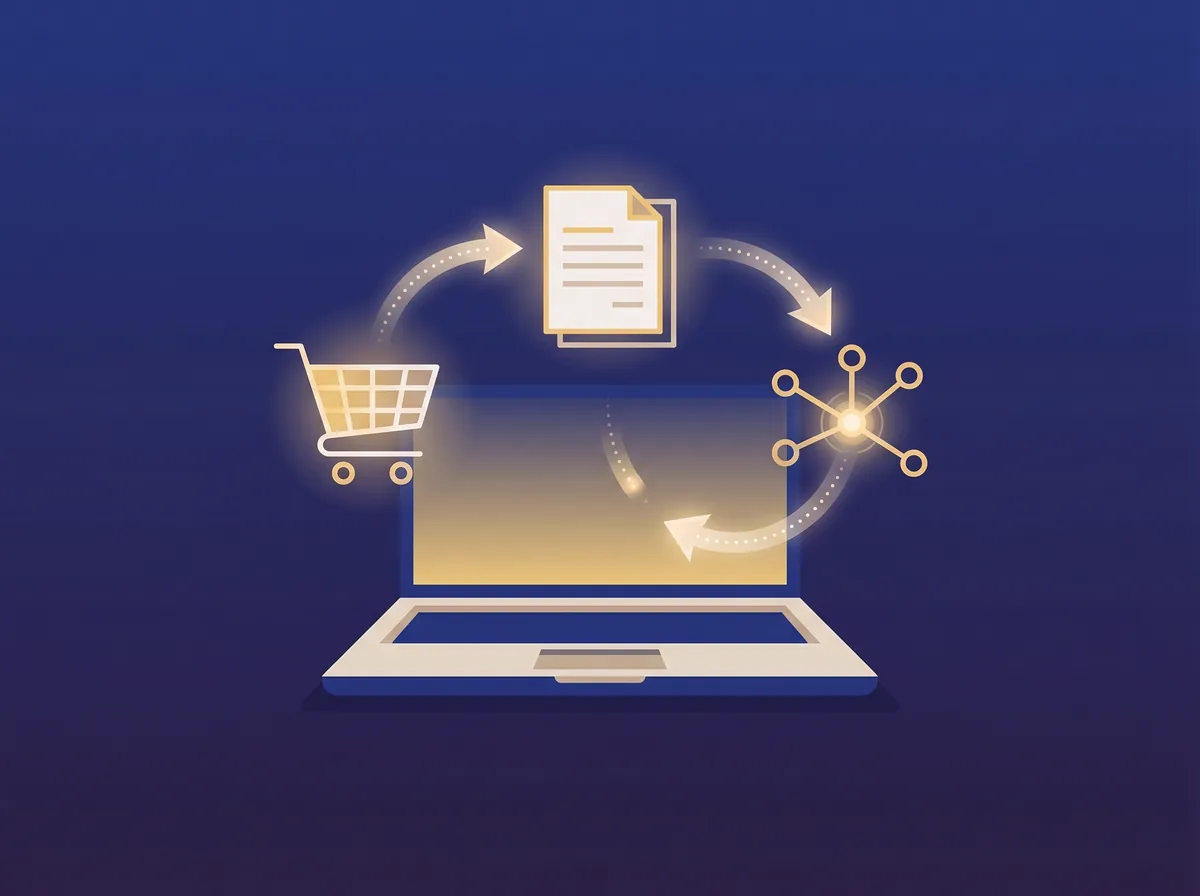
E-procurement, also known as electronic procurement, is an essential process in today's business world. In this article, we provide a complete guide to understanding e-procurement and discovering how to implement it successfully.
Understanding E-Procurement
Definition of E-Procurement
E-procurement is a term used to describe the use of information and communications technology to automate and simplify a company's procurement process. It encompasses all activities ranging from supplier selection to order placement and delivery tracking.
E-procurement has become essential in today's business world, offering companies an efficient and streamlined method for managing their purchases. Through the use of computerized systems, companies can save time and money by automating the manual tasks associated with procurement.
The advantages of e-procurement are numerous. In addition to simplifying the procurement process, it allows companies to reduce human errors and improve order accuracy. Moreover, it offers better visibility into expenditure, which enables companies to make more informed purchasing decisions and negotiate better rates with suppliers.
The Importance of E-Procurement in Business
E-procurement plays a crucial role in the management of business operations. It enables companies to optimize their procurement processes, reduce costs, improve transparency, and gain operational efficiency.
By adopting e-procurement, companies can streamline their purchasing and inventory management operations. Through process automation, they can reduce delivery times, minimize order errors, and optimize inventory management. This translates into improved customer satisfaction and increased profitability.
In addition, e-procurement promotes collaboration among the different stakeholders in the supply chain. Companies can communicate more easily with their suppliers, share information in real time, and coordinate their activities more effectively. This enables the company to be more responsive to market fluctuations and to anticipate future needs.
In conclusion, e-procurement is a powerful tool that enables companies to effectively manage their purchases and procurement. By automating processes and promoting collaboration, it offers numerous advantages, such as cost reduction, improved transparency, and operations optimization. Companies that adopt e-procurement are better prepared to succeed in a constantly evolving business environment.
The Advantages of E-Procurement
Increased Operational Efficiency
E-procurement makes it possible to automate many of the manual tasks associated with procurement, which allows companies to improve their operational efficiency. By automating processes, companies can reduce errors and delays, while simplifying order management.
Automating manual tasks also allows employees to focus on higher-value tasks, such as negotiating with suppliers and analyzing procurement data. This makes it possible to optimize human resources and improve the overall productivity of the company.
Cost Reduction
Thanks to e-procurement, companies can reduce their procurement costs by streamlining processes, negotiating better rates with suppliers, and eliminating unnecessary expenditure. This saves time and resources, resulting in significant financial savings.
In addition, e-procurement allows companies to track and analyze their procurement expenditure in more detail. This enables them to identify areas where additional savings can be made, by optimizing contracts with suppliers and eliminating non-essential purchases.
Improved Transparency
E-procurement offers increased visibility into procurement processes, which promotes transparency and fairness. Companies can track every step of their purchases, from supplier selection to product delivery, which builds trust and reduces the risk of fraud.
Furthermore, e-procurement enables companies to implement more rigorous control and monitoring mechanisms. This allows them to ensure that suppliers comply with the terms of the contract and to quickly detect any anomalies or non-compliance. The increased transparency in procurement processes also contributes to strengthening the company's reputation and fostering trust-based relationships with stakeholders.
The Challenges of E-Procurement
Security and Confidentiality
E-procurement involves the sharing of sensitive information, such as financial data and supplier information. It is therefore essential to implement robust security measures to protect this information from unauthorized access.
Indeed, in an increasingly connected world, cyberattacks have become commonplace. Hackers are constantly looking for new opportunities to infiltrate IT systems and steal confidential information. This is why companies must invest in firewalls, intrusion detection software, and advanced encryption protocols to ensure the security of their data.
In addition, confidentiality is also a major issue in the field of e-procurement. Companies must ensure that only authorized persons have access to sensitive information. This can be achieved by using two-factor authentication systems and implementing strict access management policies.
Technological Complexity
Implementing e-procurement often requires advanced technological skills. Companies must be ready to rise to this challenge by training their staff and investing in reliable and scalable technology solutions.
Indeed, e-procurement relies on the use of sophisticated software and online platforms. It is therefore essential that the employees responsible for managing these systems are trained in the latest technologies and best practices in IT security.
In addition, companies must ensure that their systems are scalable to cope with the growth of their business. This may require significant investments in IT infrastructure and the regular upgrading of software.
Resistance to Change
The adoption of e-procurement may encounter a certain degree of resistance from employees and suppliers. Some people may fear losing their jobs or having to adapt to new working methods. It is therefore essential to communicate clearly about the advantages and implications of e-procurement in order to obtain the support and buy-in of all the stakeholders concerned.
It is important to emphasize that e-procurement can bring many benefits, such as faster and more efficient procurement processes, cost reduction, and better visibility into expenditure. By communicating these advantages clearly and transparently, companies can help dispel fears and obtain the necessary support to implement e-procurement successfully.
In addition, it is essential to involve suppliers in the process of adopting e-procurement. By informing them of the advantages they can gain from it, such as better visibility into business opportunities and faster payments, companies can encourage their buy-in to this new way of working.
How to Implement E-Procurement
Needs Assessment
Before implementing e-procurement, it is important to assess the specific needs of your company. Analyze your current procurement processes and identify problems or gaps that could be resolved through e-procurement.
Platform Selection
Once your needs have been clarified, you can begin to research and select an e-procurement platform suited to your company. Make sure to choose a solution that meets your specific needs, while being user-friendly and compatible with existing systems.
User Training and Support
Once the e-procurement platform is in place, it is essential to train your employees in its use and to support them throughout the process. Organize training sessions to enable them to master the platform's features and encourage them to ask questions and provide feedback throughout the transition.
In conclusion, e-procurement offers numerous advantages to companies, but it also presents challenges to overcome. By understanding the principles of e-procurement and implementing best practices, you can maximize the benefits while minimizing the risks. Follow this complete guide to successfully transition to e-procurement and improve the management of your purchases and procurement.