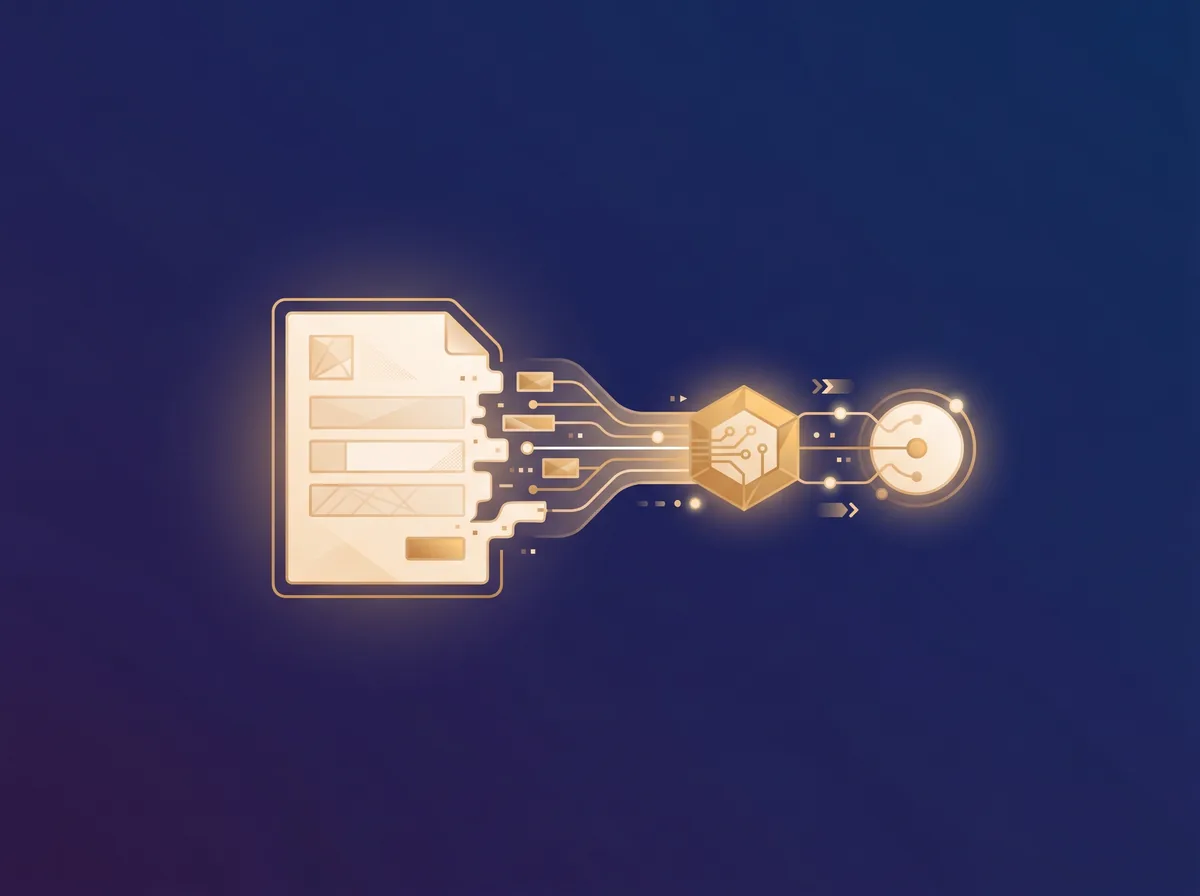
The electronic invoice has become an essential element of our rapidly evolving digital world. Understanding every aspect of this new invoicing model is crucial for all businesses. In this article, we will explore the definition of the electronic invoice, its advantages, the objectives it aims to achieve, and the optimization strategies for maximizing its benefits.
Understanding the electronic invoice
Definition of the electronic invoice
The electronic invoice, also known as an e-invoice, is a digital and dematerialized version of the traditional invoice. Unlike its paper counterpart, the electronic invoice is generated, transmitted, received, and archived in electronic form. It is generally structured according to a standardized format such as XML.
Advantages of the electronic invoice
The electronic invoice offers numerous advantages for businesses that adopt it. First and foremost, it significantly reduces the costs associated with printing, postal delivery, and handling of paper invoices. In addition, it facilitates the automation of administrative processes, which translates into efficiency gains and a reduction in data-entry errors. Finally, the electronic invoice provides better visibility into commercial transactions, which can facilitate payment tracking and control.
In France, the use of the electronic invoice is increasingly widespread. French companies have rapidly adopted this new invoicing method because it offers numerous advantages. For example, the electronic invoice helps reduce the carbon footprint by eliminating paper use and limiting travel related to postal delivery. Moreover, it simplifies invoice management by allowing quick and secure access to information. Companies can thus consult their invoices online and archive them with ease.
The electronic invoice also benefits the customers of those businesses. By receiving their invoices electronically, customers can consult them quickly and retrieve them easily when needed. In addition, the electronic invoice eliminates data-entry errors and delivery delays associated with postal mail. Customers can therefore pay their invoices more rapidly and benefit from better transaction tracking.
In conclusion, the electronic invoice is a modern and effective solution for invoice management. It offers numerous advantages for both businesses and their customers. By adopting the electronic invoice, companies can reduce their costs, improve their efficiency, and contribute to environmental preservation. It is therefore recommended to seriously consider using the electronic invoice in the administrative management of companies.
Objectives of the electronic invoice
Simplification of administrative processes
One of the main objectives of the electronic invoice is to simplify the administrative processes associated with invoicing. By eliminating the need to handle paper invoices, companies can automate the sending, reception, validation, and processing of invoices. This helps reduce payment terms, improve data accuracy, and minimize data-entry errors.
Moreover, the electronic invoice offers the ability to track invoice status in real time, which facilitates the management and monitoring of payments. Companies can also benefit from better transaction traceability, which contributes to greater transparency and trust between business partners.
Finally, electronic invoicing also simplifies invoice retention procedures. Companies can store electronic invoices securely and retrieve them easily when needed, without having to manage cumbersome physical archives.
Cost reduction and efficiency improvement
Another key objective of the electronic invoice is to reduce the costs associated with processing paper invoices. By eliminating printing, postal delivery, and physical storage expenses, companies can achieve significant savings. Moreover, electronic invoicing enables more efficient invoice management by automating validation, matching, and payment processes.
By automating these processes, companies can reduce human errors and processing delays, which translates into improved operational efficiency. Additionally, the electronic invoice offers the possibility of implementing automatic validation rules, enabling rapid detection of errors or inconsistencies in invoices.
Finally, electronic invoicing also promotes collaboration between different departments within a company. Electronic invoice data can be easily shared between accounting, finance, and logistics departments, facilitating coordination and decision-making.
Electronic invoice optimization strategies
Choosing the right invoicing software
One of the key strategies for optimizing the use of the electronic invoice is to choose the right invoicing software. Good software should be capable of managing all aspects of the electronic invoicing process, including invoice generation, sending, archiving, and integration with other company information systems.
Employee training and awareness
Another important strategy is to train and raise awareness among employees about the use of electronic invoicing. It is essential that all members of the company understand the advantages and procedures associated with this new invoicing method. This will facilitate the adoption and effective use of the electronic invoice throughout the organization.
Integration with other information systems
To maximize the benefits of the electronic invoice, it is important to integrate it with other company information systems such as the accounting system, inventory management system, and customer relationship management system. This will enable data synchronization and increased visibility across the entire invoicing process.
Challenges in implementing electronic invoicing
Technical obstacles
Despite the many advantages, implementing electronic invoicing may encounter technical obstacles. Some companies may have outdated IT systems that are not compatible with electronic invoicing formats. It is important to resolve these issues before implementing electronic invoicing.
Security and confidentiality concerns
The electronic invoice also raises security and confidentiality concerns. Companies must ensure that data transmitted and stored electronically is protected against unauthorized access. Robust security measures, such as data encryption and user authentication, must be put in place to guarantee the confidentiality of information.
The future of electronic invoicing
Emerging trends
The world of electronic invoicing continues to evolve rapidly. New trends are emerging, such as the use of artificial intelligence to further automate invoicing processes and the establishment of business-to-business electronic invoicing platforms to facilitate the exchange of invoices between companies.
The impact of regulation on electronic invoicing
Regulation also plays an important role in the future of electronic invoicing. Many countries have put in place specific regulations to govern the use of the electronic invoice. Companies must be aware of these regulations and ensure compliance to avoid penalties and fines.
In conclusion, the electronic invoice offers numerous advantages for businesses that adopt it. By understanding its definition, objectives, and optimization strategies, companies can maximize the benefits of this new invoicing model. Despite technical challenges and security concerns, the future of electronic invoicing looks promising with the emergence of new trends and an increasing emphasis on regulation.