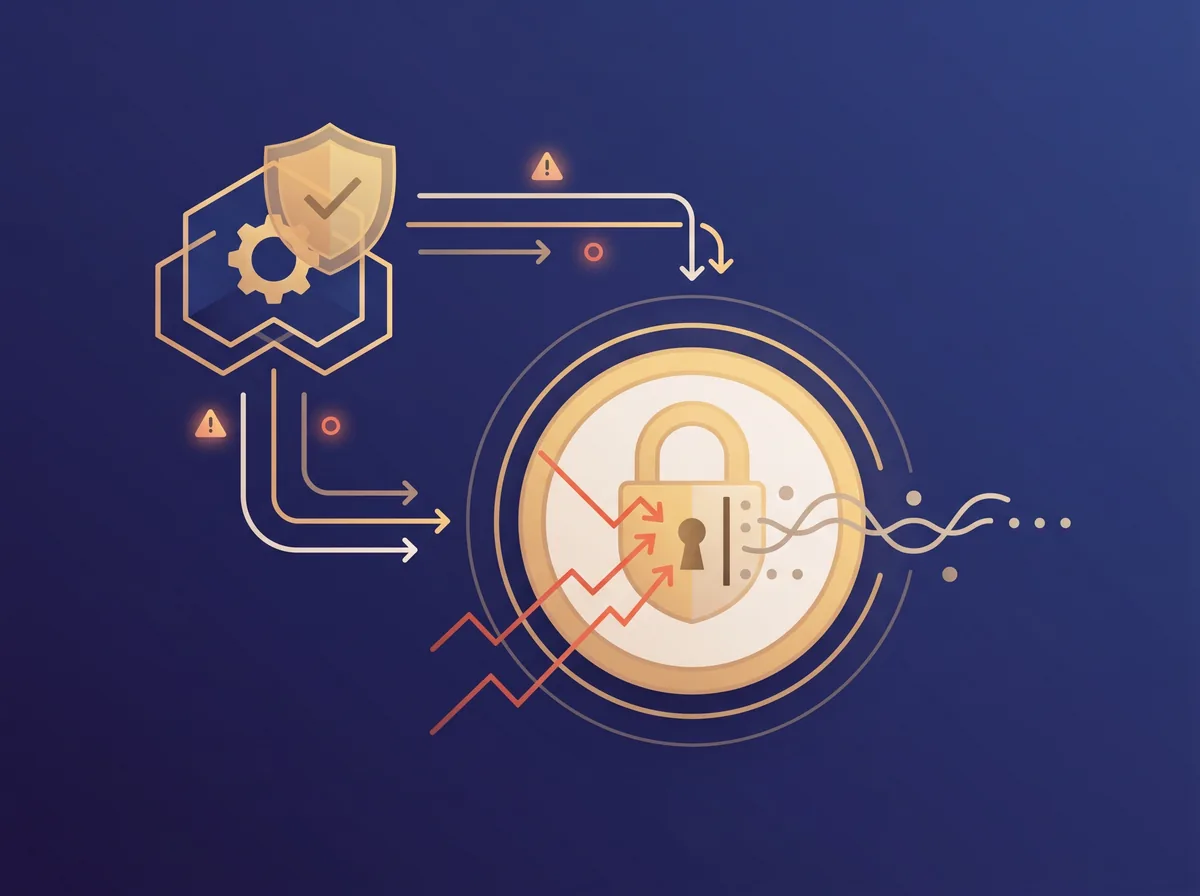
Supplier risk management is a critical element for any organization seeking to maintain a reliable supply chain and avoid potential disruptions. In this article, we will explore what supplier risk management is, why it matters, and how to implement effective strategies to mitigate these risks.
Understanding Supplier Risk Management
Supplier risk management involves identifying, assessing, and managing the risks associated with working with external suppliers. This includes understanding potential risks such as delivery delays, quality issues, supply disruptions, reputational damage, and much more.
Definition and Importance of Supplier Risk Management
Supplier risk management is the process by which an organization identifies and evaluates the risks associated with its external suppliers, then implements measures to mitigate them. This reduces the potential negative impact on business operations and the company's reputation.
Implementing effective supplier risk management is essential to protect the business against disruptions and unforeseen costs. It also helps improve the quality of products or services provided by external suppliers and strengthens customer confidence.
Types of Supplier Risks
There are several types of risks associated with working with external suppliers. Key risks include:
- Delivery delays, which can cause supply disruptions and production holdups.
- Quality issues, such as manufacturing defects or products that do not meet standards.
- Financial problems, such as supplier bankruptcy or solvency issues.
- Environmental risks, such as environmental damage caused by the supplier's activities.
- Reputational risks, which can arise if the supplier becomes involved in scandals or controversial affairs.
It is important to note that each organization may face specific risks depending on its industry and supply chain. For example, a company operating in the food sector must pay particular attention to food safety risks and compliance with health standards.
Furthermore, supplier risk management is not limited to identifying and assessing risks. It also involves implementing preventive measures and conducting regular monitoring to ensure that suppliers comply with the organization's standards and requirements.
In conclusion, supplier risk management is an essential aspect of business operations management. By identifying and managing the risks associated with working with external suppliers, organizations can protect their reputation, minimize disruptions and unforeseen costs, and ensure the quality of products or services delivered to their customers.
Key Steps in Supplier Risk Management
To implement effective supplier risk management, it is important to follow certain key steps:
Identifying Supplier Risks
The first step is to identify the potential risks associated with each supplier. This can be done by conducting supplier assessments, reviewing their track record, and evaluating their ability to meet the organization's requirements.
Evaluating and Analyzing Supplier Risks
Once risks have been identified, they must be thoroughly evaluated and analyzed. This can be done using tools such as risk matrices, SWOT analyses (strengths, weaknesses, opportunities, threats), or by conducting on-site audits. The goal is to understand the potential impact of each risk on business operations.
Supplier Risk Mitigation Strategies
Once risks have been assessed, strategies can be put in place to mitigate them. This may include diversifying sourcing, establishing contingency plans, negotiating robust contracts, or continuously monitoring supplier performance.
Supplier Risk Management Tools
Several tools can be used to facilitate supplier risk management:
Supplier Risk Management Software
Organizations can use specialized software to track and manage supplier risks more effectively. These tools allow for the collection and analysis of supplier data, the setting of alerts for potential risks, and the centralization of risk management information.
Key Performance Indicators (KPIs) for Supplier Risk Management
KPIs can be used to measure supplier performance and assess their ability to mitigate risks. Commonly used KPIs include on-time delivery rates, defective product return rates, and the number of product quality incidents.
Challenges in Supplier Risk Management
Despite the many benefits of supplier risk management, there are also challenges to address:
Common Obstacles to Effective Supplier Risk Management
Effectively managing supplier risks can be difficult due to various obstacles. Common challenges include a lack of visibility into suppliers, unreliable performance data, poorly structured risk management processes, and internal resistance to change.
Overcoming Supplier Risk Management Challenges
To overcome these challenges, it is important to establish clear and structured processes for supplier risk management. This may include setting clear performance standards, implementing effective control and monitoring procedures, and working closely with suppliers to improve their performance.
Conclusion: Optimizing Supplier Risk Management
To optimize supplier risk management, best practices must be put in place:
Best Practices for Effective Supplier Risk Management
Key best practices for effective supplier risk management include:
- Conducting regular supplier assessments
- Establishing effective control and monitoring procedures
- Building trust-based relationships with suppliers
- Developing contingency plans
- Using supplier risk management tools
The Future of Supplier Risk Management
As the business landscape continues to evolve, supplier risk management will remain a major challenge for organizations. Technological advances, such as artificial intelligence and automation, are likely to play an increasingly important role in supplier risk management in the future.
In conclusion, supplier risk management is an essential process for protecting business operations and an organization's reputation. By implementing effective strategies for identifying, assessing, and mitigating risks, organizations can minimize disruptions and optimize their supply chain.