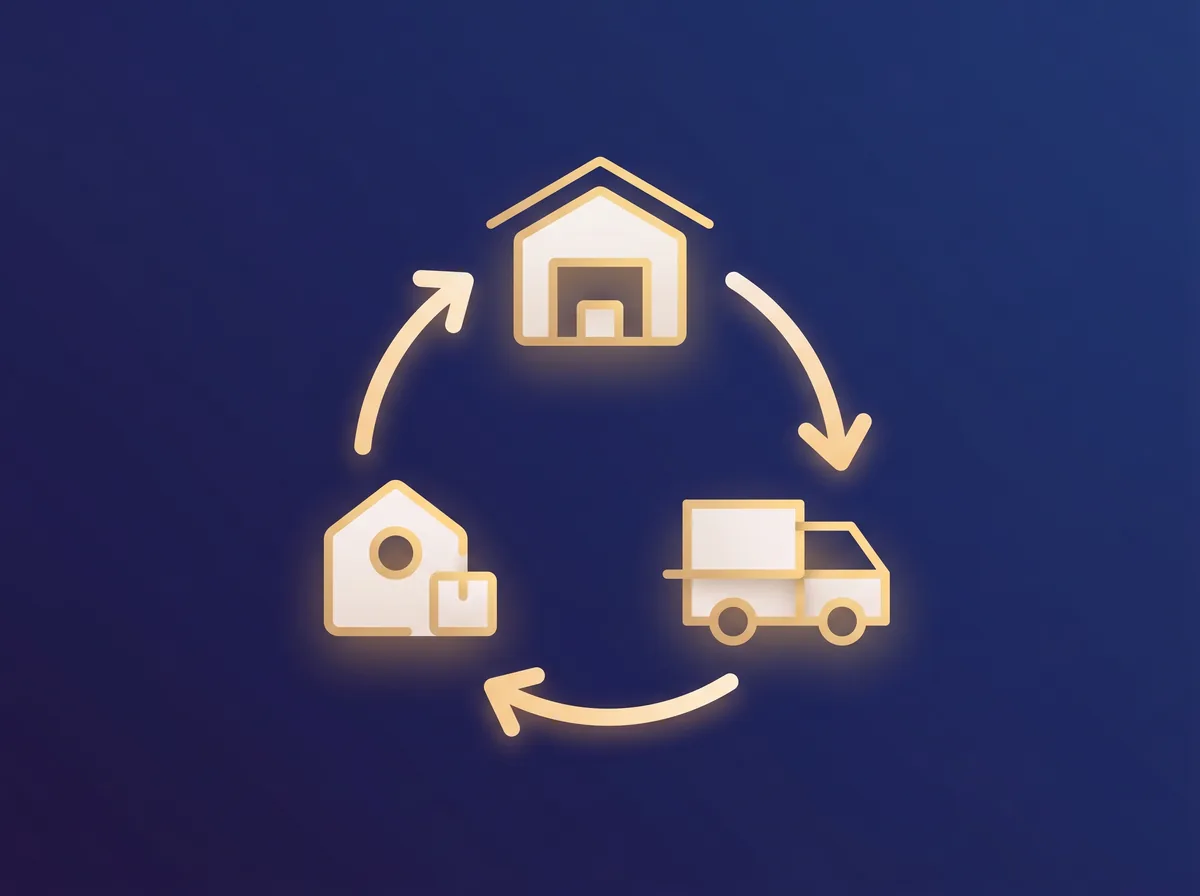
Logistics is a key field in the business world. It encompasses all activities related to the management and coordination of an organization's operations. Understanding the definition of logistics is essential to appreciating its importance.
Understanding the Definition of Logistics
Logistics has its origins in the military domain, where it was used to plan and organize the movement of troops and equipment. Over time, the concept of logistics expanded into the civilian world, now covering all aspects of supply chain management.
The modern definition of logistics refers to the effective planning, execution, and control of the flow of goods and associated information from the point of origin to the point of consumption. It aims to ensure product availability at the right place, at the right time, and according to the specific requirements of customers.
Logistics is an essential element of any modern business. It plays a crucial role in operations management, ensuring that products are delivered efficiently and on time. Through careful planning, logistics minimizes costs and optimizes resources, which contributes to the organization's profitability.
An important aspect of logistics is supply chain management. This involves coordinating the activities of different actors, such as suppliers, carriers, and distributors, to ensure a regular flow of goods. Supply chain management requires effective communication, reliable information systems, and close coordination between the various stakeholders.
Logistics does not only concern the transportation and delivery of goods. It also covers other aspects such as storage, packaging, returns management, and risk management. All these elements contribute to effective supply chain management and to meeting customer needs in an optimal manner.
In conclusion, logistics is a complex and constantly evolving field. It plays a crucial role in the success of businesses by ensuring a regular flow of goods and addressing customer needs effectively. Through careful planning and close coordination, logistics contributes to the profitability and competitiveness of organizations.
Primary Objectives of Logistics
Logistics has several key objectives that contribute to the success of a business. First, it aims to ensure operational efficiency by minimizing costs and maximizing resource utilization. This includes effective inventory management, transportation, and route planning.
Another important objective is cost and resource optimization. Logistics aims to find the best balance between the quality of service delivered and the associated cost. This involves crucial decisions such as supplier selection, contract negotiation, and performance evaluation.
Furthermore, logistics plays an essential role in customer satisfaction. By ensuring fast and reliable delivery of products, it contributes to building customer loyalty and maintaining a good reputation for the business. Logistics is therefore a critical link in the supply chain, ensuring that products arrive at their destination within the agreed timeframes.
In addition, logistics is also responsible for managing returns and complaints. When a product is defective or does not meet customer expectations, it is important to be able to return it easily and handle complaints effectively. Logistics manages these processes, ensuring that returns are processed quickly and that customers are satisfied with the resolution of their issues.
Another crucial aspect of logistics is risk management. Businesses must contend with many potential risks such as delivery delays, transportation breakdowns, or supplier-related issues. Logistics implements strategies to minimize these risks by providing backup solutions and establishing contingency plans. This ensures the continuity of operations even in the event of unforeseen problems.
Finally, logistics plays a key role in sustainable development. By optimizing transportation routes, encouraging the use of more environmentally friendly modes of transport, and reducing greenhouse gas emissions, logistics contributes to environmental preservation. An increasing number of organizations are integrating sustainable logistics practices into their operations, recognizing the importance of environmental responsibility.
How Logistics Works
Logistics is broken down into several types, each with its own specific characteristics and requirements. Among the most common types are supply logistics, production logistics, distribution logistics, and reverse logistics.
The logistics process passes through several key stages, from planning to execution. Demand management, inventory management, warehousing, transportation, and delivery are all important stages to consider in order to guarantee efficient and seamless logistics.
In France, logistics is a booming sector. With a thriving economy and growing demand, French businesses attach primary importance to optimizing their logistics processes. This not only reduces costs but also improves customer satisfaction by ensuring fast and reliable delivery of their products.
Supply logistics in France is essential to ensure a continuous supply of raw materials and components needed for production. Businesses work closely with their suppliers to ensure that raw materials are delivered on time and in accordance with the required specifications.
Production logistics, for its part, aims to optimize manufacturing processes by minimizing wait times and maximizing resource utilization. French businesses invest in cutting-edge technologies and production management systems to improve the efficiency of their production lines.
Distribution logistics in France is a key element in ensuring that finished products reach customers within the agreed timeframes. Businesses use strategically located distribution centers to ensure optimal geographic coverage and reduce delivery lead times.
Finally, reverse logistics in France is gaining importance. This is the process of managing product returns, whether for defect reasons, warranty claims, or recycling. French businesses implement effective systems to process returns quickly and efficiently while minimizing associated costs.
In conclusion, logistics is a complex and essential field for the proper functioning of businesses. In France, businesses pay particular attention to optimizing their logistics processes in order to remain competitive in the global market. Demand management, inventory management, warehousing, transportation, and delivery are all crucial aspects that contribute to efficient and seamless logistics.
Challenges and Trends in Logistics
Logistics faces several current challenges such as globalization, supply chain complexity, and environmental issues. Businesses must adapt by developing flexible and sustainable logistics strategies.
Future trends in logistics include the use of technology to improve operational visibility, the automation of logistics processes, and the adoption of environmentally responsible practices.
In summary, logistics plays a crucial role in the success of a business. Understanding its definition, objectives, and how it works is essential to optimize operations and meet current and future challenges. As the business world continues to develop and transform, logistics remains at the heart of every production and distribution process.