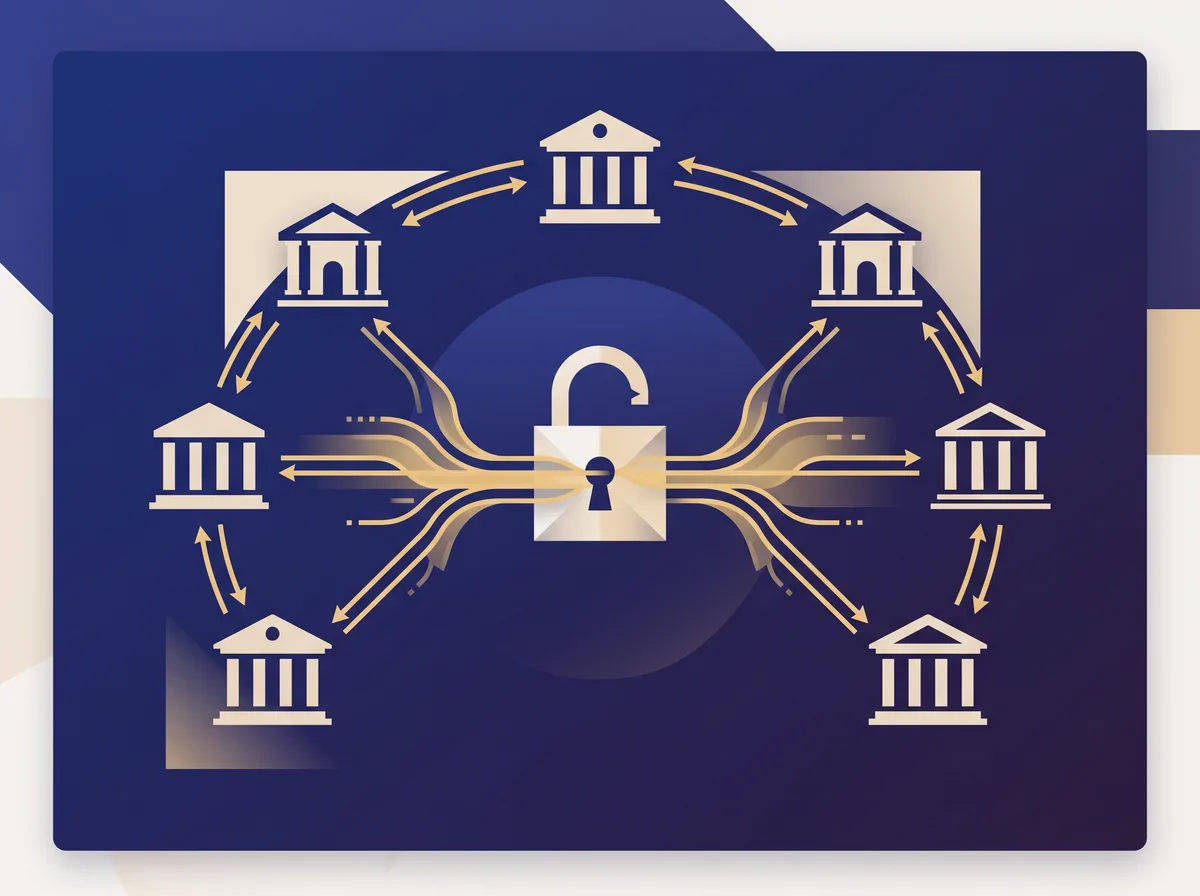
Open banking is a concept that has revolutionized the banking and financial industry in recent years. In this comprehensive guide, we will explore in detail what open banking is, its benefits, its challenges, and its future.
Understanding Open Banking
Definition and Principles of Open Banking
Open banking is a model in which banks and financial institutions share their financial data with third parties, such as financial service providers and technology startups. The core idea behind open banking is to give customers greater control over their financial data and to foster innovation in the banking sector.
One of the main principles of open banking is the use of application programming interfaces (APIs) to enable the secure exchange of data between different stakeholders.
The Key Players in Open Banking
In the open banking ecosystem, there are several types of players:
- Traditional banks: they hold customers' financial data and must provide APIs to allow access to that data.
- Third-party financial service providers: they use bank APIs to access customers' financial data and offer innovative services.
- Technology startups: they leverage financial data to develop new products and services.
Open banking has transformed the banking sector by allowing customers to easily access their financial data and share it with other market participants. Through the use of APIs, traditional banks have been able to open up their systems and collaborate with third-party financial service providers and technology startups to offer new, innovative solutions.
Traditional banks have had to adapt to this new model by implementing strict security measures to protect sensitive customer data. They have also had to invest in robust technological infrastructure to ensure a seamless and secure data exchange.
Third-party financial service providers have seized the opportunity offered by open banking to provide more personalized services tailored to customer needs. With access to customers' financial data, they can analyze spending habits, offer savings and investment recommendations, and even deliver automated financial management services.
Technology startups have also benefited from open banking by using financial data to develop new, innovative products and services. They have been able to create user-friendly mobile apps, online financial management platforms, and advanced analytics tools to help customers better manage their finances.
In conclusion, open banking has opened up new opportunities in the banking sector by fostering innovation and giving customers greater control over their financial data. Through collaboration between traditional banks, third-party financial service providers, and technology startups, new products and services have been developed to meet the evolving needs of customers.
The Benefits of Open Banking
For Banks and Financial Institutions
Open banking offers numerous benefits for banks and financial institutions:
- Improved customer experience: by sharing data with third parties, banks can offer more personalized services tailored to the specific needs of their customers.
- Stimulating innovation: by opening up their data and collaborating with external players, banks can encourage the emergence of new ideas and new services.
Moreover, open banking allows banks to strengthen their market position by offering more attractive financial solutions. By sharing data with external partners, banks can propose more competitive and diversified offerings, enabling them to retain existing customers and attract new ones.
In addition, open banking promotes collaboration between banks and fintechs. With access to financial data, fintechs can develop innovative solutions that complement traditional banking services. This collaboration allows banks to remain competitive by offering customers cutting-edge technology-driven services.
For Customers and End Users
The benefits of open banking are not limited to banks. Customers and end users also benefit from this new model:
- Better financial management: with open banking, customers can consolidate all their financial data in a single application, making it easier to manage their money.
- More personalized financial services: with access to financial data, customers can receive offers and recommendations better tailored to their specific needs.
Moreover, open banking offers customers greater transparency over their finances. By having access to all their financial data, customers can better understand their financial situation and make informed decisions.
Finally, open banking promotes competition among financial service providers, resulting in a greater diversity of offerings and more competitive pricing. Customers are thus able to choose the services that best match their needs and save on banking fees.
The Challenges of Open Banking
Security and Privacy Concerns
One of the major challenges of open banking concerns the security and confidentiality of customers' financial data. Robust security measures must be in place to protect sensitive data and prevent unauthorized access.
Furthermore, it is essential to guarantee data confidentiality and ensure that only the necessary information is shared with third parties.
Regulation and Compliance
Open banking is also subject to strict regulations. Banks and other stakeholders must comply with security and data protection standards, such as the General Data Protection Regulation (GDPR) in Europe.
It is important to ensure that all parties comply with these regulations in order to maintain customer trust and the legitimacy of open banking.
The Future of Open Banking
Trends and Predictions
Open banking continues to evolve and expand. Some trends and predictions for the future of open banking include:
- The growing adoption of open APIs by banks and other actors in the financial sector.
- The emergence of new business models based on financial data, such as account aggregators and financial management platforms.
Impact on the Global Financial Industry
Open banking is already having a significant impact on the financial industry. It encourages competition and innovation, which benefits consumers.
At the global level, many countries are introducing regulations to facilitate open banking and promote collaboration between traditional banks and new market players.
In conclusion, open banking offers numerous opportunities and challenges for banks, financial institutions, customers, and the financial industry as a whole. It is crucial to strike the right balance between security, privacy, and innovation to ensure the success and sustainability of this new financial model.