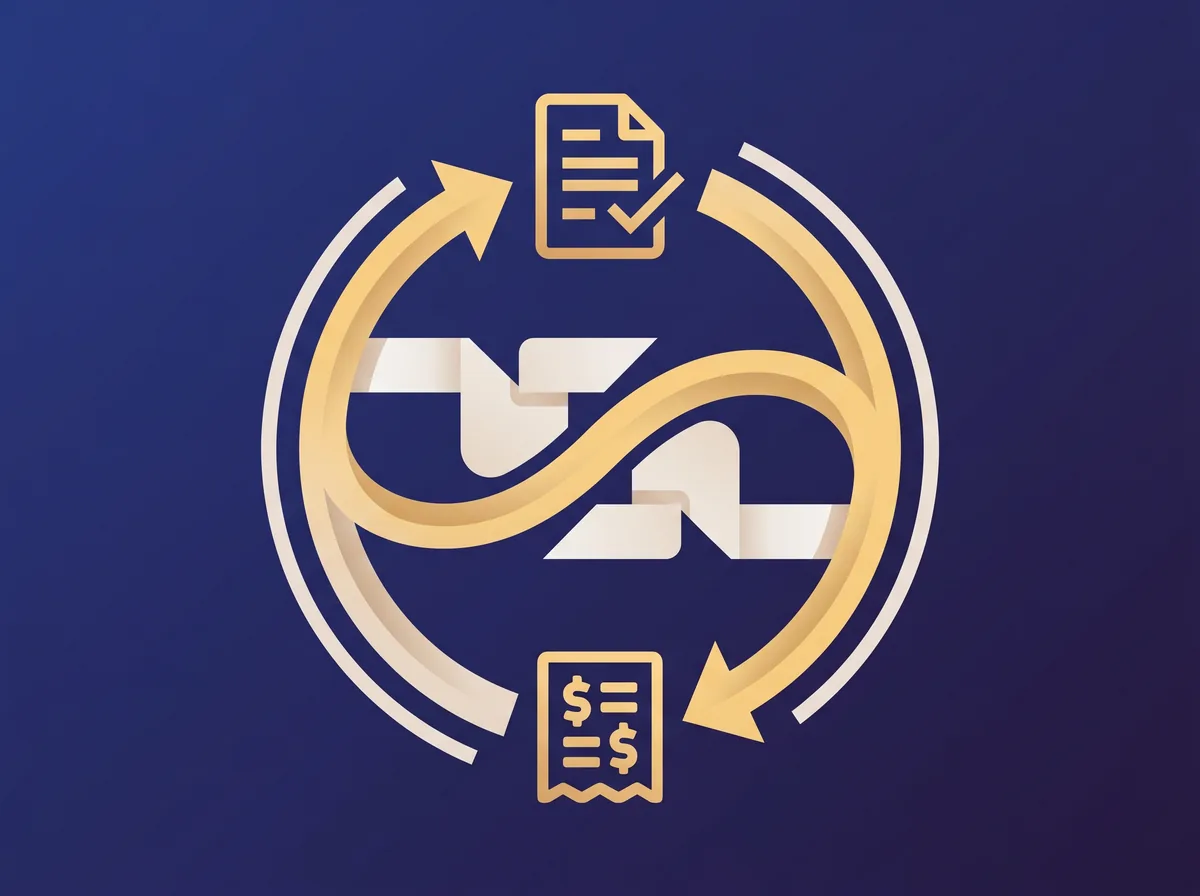
Order-to-Cash (OTC), also known as "quote to cash" or "O2C," is an essential process in any business. It encompasses all the steps from receiving a customer order through to collecting full payment. Understanding the Order-to-Cash concept is indispensable for optimizing this critical workflow.
Understanding the Order-to-Cash Concept
Definition of Order-to-Cash
Order-to-Cash is the stream of business activities that begins with the customer placing an order and ends with the collection of payments. It includes order processing, invoicing, inventory management, delivery of products or services, and accounts receivable management.
Order-to-Cash is an essential process in the operation of any business. It enables the efficient management of the different stages of the sales cycle, from order placement through to final payment. This process requires close coordination between different company departments, such as sales, logistics, accounting, and customer service.
The first step in the Order-to-Cash process is the customer placing an order. This can be done by phone, email, or via an online platform. Once the order is recorded, it is passed on to the order processing department.
The order processing department checks the availability of the requested products or services and ensures that all necessary information is correctly recorded. Once these checks are complete, the order is validated and ready to be processed.
The next step in Order-to-Cash is invoicing. Once the order has been processed, an invoice is issued and sent to the customer. This invoice includes all the details of the order, such as the products or services ordered, quantities, unit prices, and payment terms.
Once the invoice is sent, it is important to closely monitor customer payments. Accounts receivable management is an integral part of Order-to-Cash. This involves ensuring that payments are made within the agreed deadlines and following up with customers in the event of late payment.
Finally, payment collection closes the Order-to-Cash process. This involves closely monitoring outstanding payments, contacting customers in cases of non-payment, and taking the necessary steps to recover amounts owed.
The Importance of Order-to-Cash in Business
Order-to-Cash is critical to the smooth operation of any business. It represents the company's cash flow and plays a key role in its overall profitability. A well-optimized Order-to-Cash process improves operational efficiency, reduces costs, and increases revenue, while also improving customer satisfaction.
An effective Order-to-Cash process helps reduce payment delays and optimize inventory management. By invoicing quickly and closely monitoring payments, a company can improve its Treasury position and avoid liquidity issues.
Moreover, a well-managed Order-to-Cash process contributes to improving customer satisfaction. By processing orders quickly, providing accurate product information, and offering quality customer service, a company can retain its customer base and generate positive referrals.
In conclusion, Order-to-Cash is an essential process in the operation of any business. It enables the efficient management of the different sales stages, from order placement through to final payment. A well-optimized Order-to-Cash process contributes to improving operational efficiency, reducing costs, increasing revenue, and improving customer satisfaction.
Objectives of Order-to-Cash
Improving Operational Efficiency
Optimizing the Order-to-Cash process streamlines business activity flows and reduces order processing times. This translates into improved operational efficiency, with shorter order cycles and better coordination among the various stakeholders.
Reducing Costs and Increasing Revenue
A well-optimized Order-to-Cash process also reduces costs related to delivery delays, invoicing errors, and inefficient collection procedures. Furthermore, by improving accounts receivable management and reducing payment delays, the company can increase revenue through better Treasury management.
Improving Customer Satisfaction
Optimizing Order-to-Cash ensures a better customer experience. Smooth and transparent processes, punctual deliveries, and accurate invoices all help strengthen customer confidence in the company. Increased customer satisfaction fosters loyalty and can lead to positive referrals.
Order-to-Cash Optimization Strategies
Automating the Order-to-Cash Process
Automating the Order-to-Cash process can greatly contribute to its optimization. Using computerized systems for order management, invoicing, and collection eliminates manual tasks, reduces errors, and speeds up processing times. Well-designed automation improves operational efficiency and reduces costs.
Systems Integration for Better Management
Integrating the various systems used in the Order-to-Cash process enables better management of the entire chain. For example, integrating the inventory management system with the invoicing system ensures real-time product or service availability and prevents delivery delays. Effective systems integration facilitates coordination between the different stages of the process.
Training and Skills Development
Optimizing Order-to-Cash does not depend solely on tools and systems, but also on employee skills. Well-trained and competent staff help improve order accuracy, reduce invoicing errors, and ensure effective communication with customers and partners. Investing in staff training and skills development is essential for successful optimization.
Challenges of Optimizing Order-to-Cash
Obstacles to Automation
Automating the Order-to-Cash process may encounter certain obstacles. For example, the need to comply with country-specific regulations can make automation more complex. In addition, companies must take into account the initial costs of implementing automated systems and potential resistance to change from employees.
Systems Integration Challenges
Integrating the systems used in the Order-to-Cash process can be a complex technical challenge. The different platforms used by the company must be compatible and able to communicate with each other seamlessly. Additional effort may be required to ensure effective systems integration.
Resistance to Change Within the Organization
Implementing an Order-to-Cash optimization initiative may encounter resistance to change from employees. Some may fear that automation will reduce their responsibilities or job security. Effective change management, with transparent communication and active employee involvement, is essential for overcoming these obstacles.
In conclusion, Order-to-Cash is a fundamental process in any business. Understanding the concept, setting clear objectives, and implementing appropriate optimization strategies are critical steps for improving operational efficiency, reducing costs, increasing revenue, and ensuring customer satisfaction. In the face of automation challenges, systems integration issues, and resistance to change, a thoughtful approach and effective management of the optimization process are necessary to ensure business success.