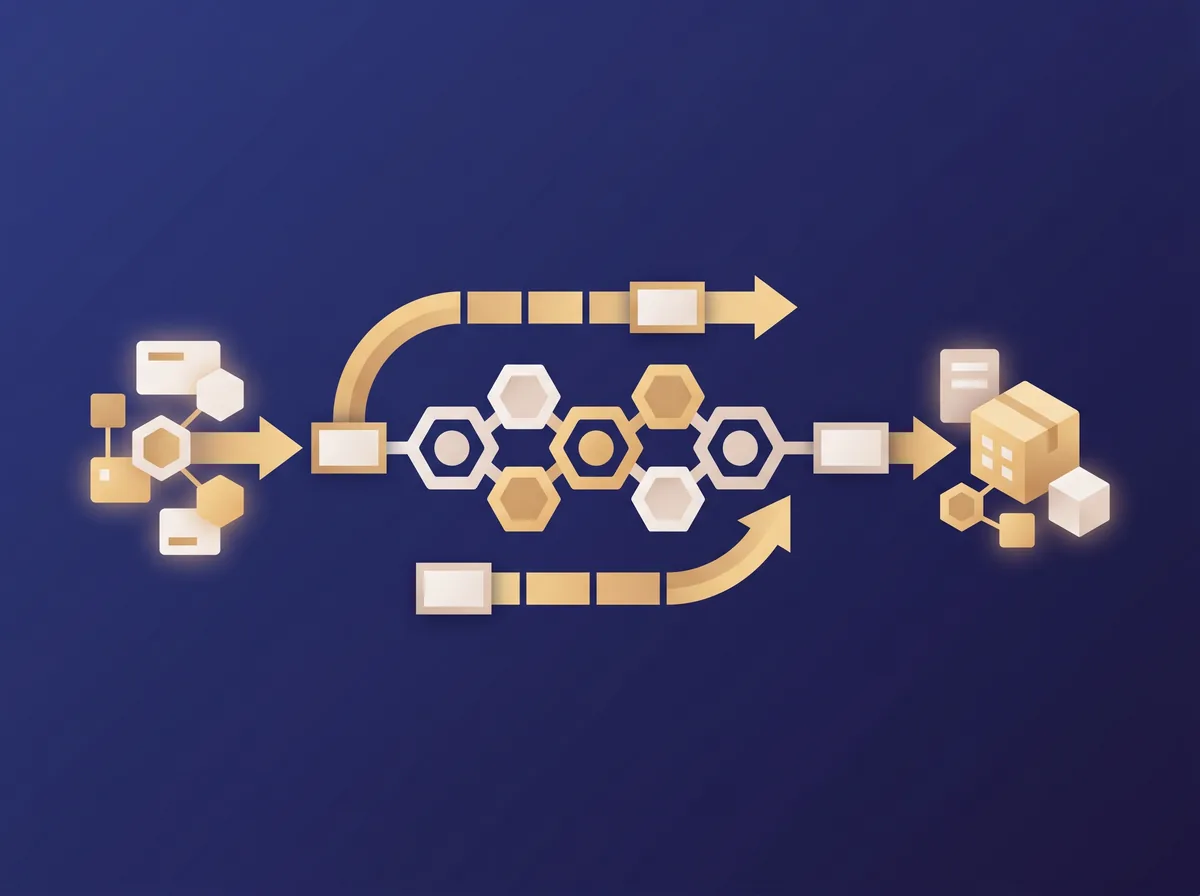
Procurement, also known as supply chain management or sourcing, is a process essential to the functioning of organizations. Understanding the concept of procurement is crucial for optimizing operations and achieving set objectives. In this article, we explore in detail the definition and importance of procurement, as well as optimization strategies, challenges, and solutions associated with this field. We also discuss emerging trends and the impact of technology on procurement.
Understanding the Concept of Procurement
Procurement can be defined as the process of acquiring the goods and services necessary for the proper functioning of an organization. It encompasses all activities related to needs identification, supplier sourcing, contract negotiation, and supplier relationship management throughout the product or service lifecycle.
Procurement is an essential discipline for ensuring the sustainability and growth of organizations. It guarantees the supply of raw materials, equipment, and services that are indispensable to the production and commercialization of the products or services offered by the company.
The procurement process begins with needs planning. This involves identifying the goods and services required by the organization, taking into account strategic objectives, budget constraints, and operational requirements. This step is crucial as it defines supplier selection criteria and sets performance objectives.
Detailed Definition of Procurement
Procurement consists of different stages, ranging from needs planning to contract execution. It also involves managing supplier-related risks, expenditure management, and supplier performance evaluation.
Once needs have been identified, the next step is to search for potential suppliers. This can be done through requests for proposals, consultations, or direct negotiations. The objective is to find the most competitive suppliers in terms of price, quality, and delivery timelines.
Once suppliers have been selected, comes the contract negotiation stage. This stage aims to define purchasing terms, payment modalities, warranties, and penalties for non-compliance. Effective negotiation secures favorable terms for the organization and minimizes risks.
Once contracts are signed, it is essential to effectively manage supplier relationships. This involves closely monitoring supplier performance, resolving any issues that arise, and maintaining open dialogue to foster productive collaboration.
The Importance of Procurement in Organizations
Procurement plays a crucial role in the success of an organization. By investing in effective procurement practices, companies can achieve several advantages, such as cost reduction, improved operational efficiency, and optimized product or service quality.
Effective procurement management minimizes the cost of acquiring goods and services by negotiating competitive prices and optimizing purchasing volumes. Furthermore, by establishing long-term relationships with suppliers, companies can benefit from preferential terms and strategic partnerships.
By optimizing supplier management, procurement also contributes to improving the operational efficiency of the organization. By working with reliable and responsive suppliers, delivery timelines can be reduced, which allows production processes to be optimized and customer demands to be met more quickly.
Finally, procurement plays a key role in optimizing the quality of products or services. By selecting quality suppliers and implementing rigorous control processes, companies can ensure product compliance with standards and customer expectations.
The Main Objectives of Procurement
Procurement pursues several key objectives that contribute to the overall performance of the organization.
Ensuring Business Continuity
Procurement aims to ensure that the necessary goods and services are available in a timely manner to maintain business continuity. This includes inventory management, delivery timeline management, and reducing the risk of stock-outs.
Reducing Costs and Increasing Efficiency
One of the main priorities of procurement is to reduce the costs associated with acquiring goods and services. This may involve negotiation strategies with suppliers, seeking alternative sources, and eliminating inefficiencies in the procurement process.
Improving Product or Service Quality
Procurement also aims to ensure the quality of acquired products or services. This involves selecting reliable suppliers, establishing quality standards, and monitoring supplier performance.
Procurement Optimization Strategies
To achieve these objectives, organizations implement various procurement optimization strategies.
Automating the Procurement Process
Automating the procurement process enables rationalization of procurement-related activities. This includes using purchasing management software, electronic catalogs, and contract management solutions. Automation improves efficiency, reduces errors, and accelerates the overall process.
Supplier Relationship Management
Supplier relationship management is essential for optimizing procurement. This involves developing strong relationships with suppliers, negotiating advantageous contracts, providing regular feedback, and monitoring supplier performance. Effective relationship management maximizes supplier value and ensures long-term collaboration.
Spend Analysis and Strategic Planning
Spend analysis involves examining in detail the costs associated with procurement. This allows identification of areas where savings can be made, budget optimization, and strategic planning of future purchases. An in-depth spend analysis provides increased visibility into costs and enables informed decision-making.
Challenges and Solutions in Procurement
While procurement offers many advantages, it also faces challenges that can hinder its performance.
Common Challenges in Procurement
Common challenges encountered in procurement include supplier risk management, the growing complexity of global supply chains, raw material price fluctuations, and regulatory compliance issues. These challenges require effective solutions to ensure successful procurement.
Innovative Solutions to Overcome Challenges
To address these challenges, many organizations are adopting innovative solutions such as the use of advanced technologies, establishing more diversified supplier networks, and collaborating with other companies in the sector. These solutions help anticipate problems, reduce risks, and improve the resilience of the procurement system.
The Future of Procurement
The field of procurement is evolving rapidly, driven by technology and new trends.
Emerging Trends in Procurement
New trends are emerging in the field of procurement, such as the use of artificial intelligence to analyze data, the adoption of blockchain solutions for product traceability, and the emergence of collaborative sourcing platforms. These trends promise to further improve the efficiency and transparency of the procurement process.
The Impact of Technology on Procurement
Technology plays an increasingly important role in the field of procurement. It enables automation of routine tasks, process optimization, and real-time data access for better decision-making. The adoption of innovative technologies is essential to remain competitive in a constantly evolving business environment.
In conclusion, procurement plays a key role in the functioning and success of organizations. By understanding the definition and objectives of procurement, and by developing optimization strategies and addressing associated challenges, companies can improve their performance, reduce costs, and ensure business continuity. By staying at the forefront of emerging trends and leveraging the potential of technology, procurement is set to evolve and become increasingly effective in the years ahead.