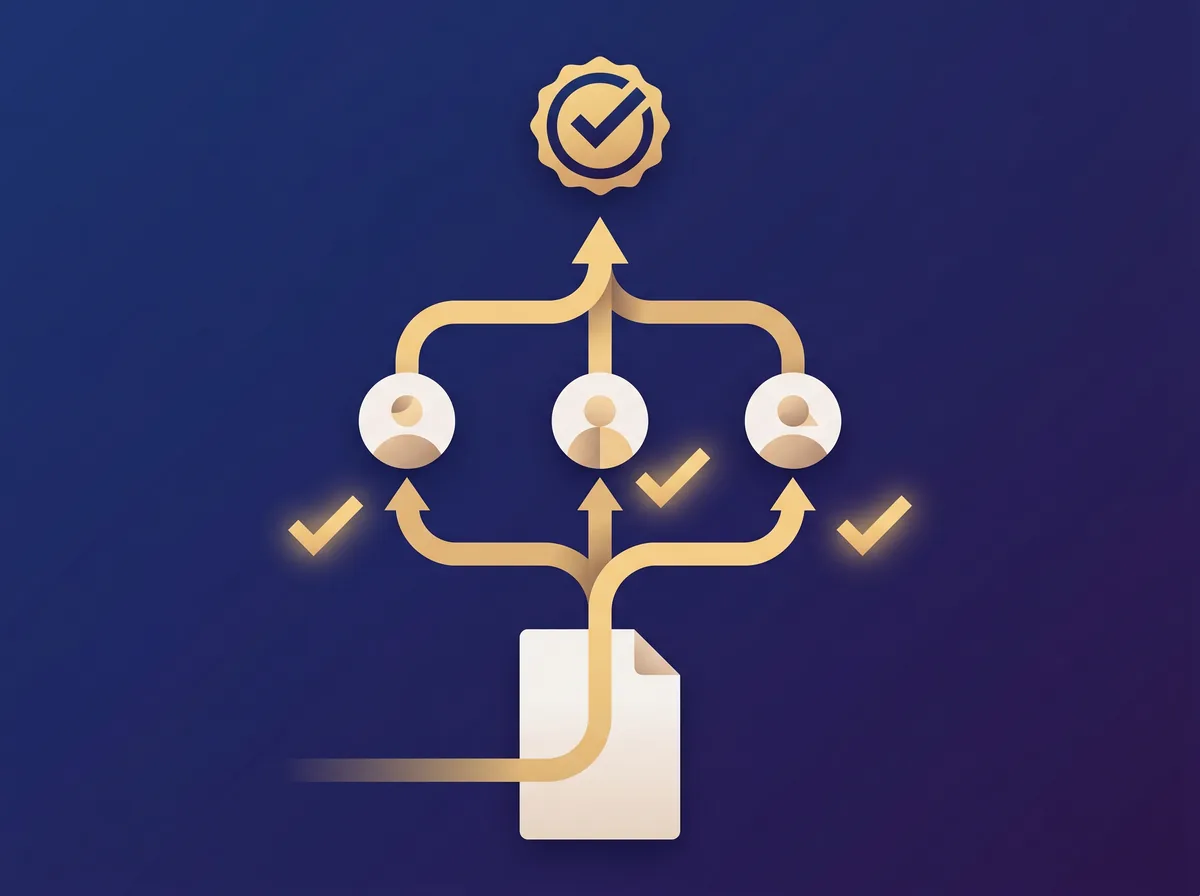
The invoice validation workflow is an essential step in a company's invoice management process. Understanding this workflow and its various stages can help you optimize your invoice validation process, save time, and minimize errors. In this article, we will examine in detail how the invoice validation workflow operates, the key steps to follow, workflow automation, common errors to avoid, and the importance of continuous improvement.
Understanding the Invoice Validation Workflow
Before getting into the details, it is important to understand what is meant by the invoice validation workflow. In simple terms, it is a process that enables supplier invoices to be received, verified, approved, paid, and archived. This process aims to ensure that invoices are correct, compliant with company policies, and processed efficiently.
The importance of the invoice validation workflow cannot be underestimated. It ensures that company expenses are properly recorded, that suppliers are paid on time, and that invoices are archived for future reference.
The invoice validation workflow is an essential aspect of a company's financial management. It enables strict control over expenditure, ensures compliance with internal and external policies, and prevents errors and fraud.
The process begins with the receipt of supplier invoices. These may be sent by post, by email, or downloaded from an online platform. Once received, invoices are recorded in the company's invoice management system.
Invoice verification is a crucial step in the validation workflow. It involves ensuring that the information on the invoice is correct and corresponds to the goods or services provided. This verification can be carried out by the accounts payable department or by other relevant departments.
Once invoices have been verified, they must be approved before being paid. Approval may be carried out by a line manager or through an electronic approval process. This step ensures that invoices comply with company policies and have been correctly verified.
Once invoices are approved, payment can be made. Depending on the payment terms agreed with suppliers, payment may be made by bank transfer, cheque, or other electronic payment methods. It is important to respect payment terms in order to maintain good relationships with suppliers.
Finally, invoices must be archived for future reference. This makes it easy to retrieve information relating to payments made, goods or services purchased, and suppliers. Archiving can be done electronically or physically, depending on the company's preferences.
Definition of the Invoice Validation Workflow
The invoice validation workflow can vary from one company to another, but it generally follows the same main steps. These steps include the receipt and recording of invoices, the verification and approval of invoices, as well as the payment and archiving of invoices.
The receipt and recording of invoices are the first steps in the validation workflow. Invoices can be received through various channels, such as post, email, or online platforms. Once received, they are recorded in the company's invoice management system, which allows them to be tracked throughout the validation process.
Invoice verification is a crucial step for ensuring accuracy. It involves comparing the information on the invoice with purchase orders, contracts, or agreements previously established with suppliers. This verification can be done manually or automatically, depending on the resources and tools available.
Once invoices have been verified, they must be approved before being paid. Approval can be carried out by various stakeholders, such as procurement managers, finance managers, or project managers. This step ensures that invoices comply with company policies and have been correctly verified.
Once invoices are approved, payment can be made. Depending on the payment terms agreed with suppliers, payment may be made by bank transfer, cheque, or other electronic payment methods. It is important to respect payment terms in order to maintain good relationships with suppliers and avoid late payment penalties.
Finally, invoices must be archived for future reference. This allows a record to be kept of payments made, goods or services purchased, and suppliers. Archiving can be done electronically using a document management system, or physically by storing invoices in binders or archive boxes.
Importance of the Invoice Validation Workflow
A well-implemented invoice validation workflow enables a company to meet its financial commitments to its suppliers and avoid disputes related to incorrect or unpaid invoices. It also contributes to better cash flow management and greater visibility over company expenditure.
By having a clear and structured process for validating invoices, a company can reduce the risks of errors and fraud. Incorrect or fraudulent invoices can result in significant financial losses and damage the company's reputation.
Furthermore, an efficient invoice validation workflow saves time and optimizes resources. By automating certain steps in the process, such as verification and approval, the company can reduce manual tasks and focus on higher value-added activities.
In conclusion, the invoice validation workflow is an essential process for ensuring the compliance, accuracy, and efficiency of a company's financial operations. By following the key steps of the process, a company can ensure transparent processing of supplier invoices while maintaining good relationships with its business partners.
Key Steps in the Invoice Validation Workflow
Receipt and Recording of Invoices
The first step in the process involves receiving and recording supplier invoices. This can be done electronically or physically, depending on the preferences of the company and its suppliers. It is important to have a centralized system for recording and storing invoices in order to facilitate their subsequent retrieval.
Verification and Approval of Invoices
Once invoices have been recorded, they must be verified to ensure their accuracy. This involves checking information such as the amount, date, purchase order number, and any other relevant information. Once invoices have been verified, they must be approved by authorized persons within the company.
Payment and Archiving of Invoices
Once invoices have been verified and approved, it is time to pay them. Payment can be made by bank transfer, cheque, or any other method agreed upon with the supplier. Once invoices have been paid, it is important to archive them correctly for future reference. This can be done by storing them electronically or keeping them physically in archive folders.
Automating the Invoice Validation Workflow
Benefits of Workflow Automation
Automating the invoice validation workflow offers numerous benefits for a company. It accelerates the validation process, reduces the risk of human error, improves invoice traceability, and simplifies collaboration between the different stakeholders involved in the process.
Choosing Invoice Automation Software
To automate the invoice validation workflow, you can opt for invoice management software. There are many options on the market, so it is important to choose software that meets your specific needs. Be sure to take into account factors such as user-friendliness, the features offered, integration with other systems, and cost when making your choice.
Common Errors in the Invoice Validation Workflow
Errors to Avoid When Validating Invoices
When validating invoices, it is important to avoid certain common errors. These include errors such as incorrectly entering billing information, failing to check important details, approving fraudulent or duplicate invoices, and failing to comply with company policies on invoice validation.
How to Resolve Common Issues
In the event of common issues in the invoice validation workflow, it is important to identify the underlying cause and take steps to address it. This may involve improving internal processes, providing additional training to employees, or further automating the process to reduce human errors.
Continuous Improvement of the Invoice Validation Workflow
Importance of Analysis and Continuous Improvement
To ensure the efficiency and relevance of the invoice validation workflow, it is essential to carry out regular analysis and continuous improvement. This can be done by examining process data, identifying bottlenecks or inefficiencies, and implementing corrective measures to improve the overall workflow.
Tips for Optimizing Your Invoice Validation Workflow
To optimize your invoice validation workflow, it is recommended to put in place clear policies and procedures, automate repetitive tasks as much as possible, regularly train employees on best practices, and use high-performance invoice management tools.
In conclusion, the invoice validation workflow is an essential process for ensuring that supplier invoices are correct, compliant with company policies, and processed efficiently. By understanding the key steps of the workflow, automating the process where possible, and carrying out regular analysis to continuously improve it, you can optimize your invoice validation process and achieve time and cost savings for your company.